

Attachment Trauma & Grief Therapist for Adults in Michigan
Therapy for Anxiety, People-Pleasing, Self-Doubt & Difficult Family Dynamics
You may be the one who keeps the peace, puts everyone else first, overthinks every interaction, or feels guilty the moment you set a boundary.
I help adults understand how childhood experiences, unmet emotional needs, and relationships shaped these patterns so you can trust yourself more, set healthier boundaries, and feel more grounded and secure in who you are.
If Any of These Sound Familiar, You're in the Right Place
You replay conversations for days
Not "did that come out wrong?" — a full investigation. What you said. How they took it. Whether you need to fix it. Your mind won't let it rest.
You give more than you get — and call it love.
You show up. You check in. You hold space and never ask for too much. And somehow you still feel alone in your relationships.
You've forgotten what you actually want.
You've gotten so good at being what everyone needs that you lost track of yourself. Not a crisis. Just a quiet, growing sense that you disappeared somewhere along the way.
I work with adults healing from childhood emotional neglect, people-pleasing, attachment wounds, and the grief of growing up in a family where your needs came last.
My approach is attachment-informed and often somatic. Faith-based therapy is available if you want your spiritual life to be part of the work.
I also work with women navigating endometriosis and chronic illness. When your body has been dismissed by doctors for years, that weight deserves its own space in therapy.
WHY INSIGHT ALONE HASN'T HEALED IT
Most people who come to me are not lacking understanding. They are lacking the experience of their nervous system responding differently. That is what we build inside the session, not as homework.

This Is What Attachment Trauma Actually Feels Like Inside Your Body and Mind
Day to day, it tends to look like this:
✓ A conversation ends, and you're already replaying it — what you said, how it landed, whether you need to fix it.
✓ You adjust in real time — softer tone, extra explanation, nothing that could be taken the wrong way.
✓ You say yes when you mean no, because no feels heavier than just handling it yourself.
✓ Even when nothing's wrong, you're bracing for a problem that isn't coming.
These aren't random habits.
They're what happens after growing up where reading the room wasn't optional. Where love felt conditional. Where your needs came last.
Every relationship since has felt familiar for the same reason.
Your nervous system learned to stay ahead because staying ahead kept you safe — and it's still running that program, even though you left that place long ago.
Working together, we teach it a new one — so you can stop managing everyone else and finally feel at home in who you are.
You're not too much. You were just never given enough.

Where most approaches stop working:
You're starting to connect the dots. You've read the books. You've done therapy before. You can feel the pattern — even if you can't fully explain it yet.
But if awareness alone worked, this would already be different. More insight was never the missing piece. The pattern takes over in real time — shaped by emotionally immature family dynamics, narcissistic relationships, and years of surviving by staying small.
So here's what we actually do:
1. Slow it down. We catch the pattern as it's happening, in real time.
2. Shift it in the moment. You feel a different response inside the session — not just talk about one.
3. Build on it at home. That felt shift becomes practice you can grow, instead of one more thing to "try."
That's what creates change that actually holds — in your conversations, your decisions, your relationships.
No blame. Just clarity. These patterns formed long before you had a choice. We're not here to blame anyone — just to change how they run now.
How Attachment Trauma Therapy Actually Works

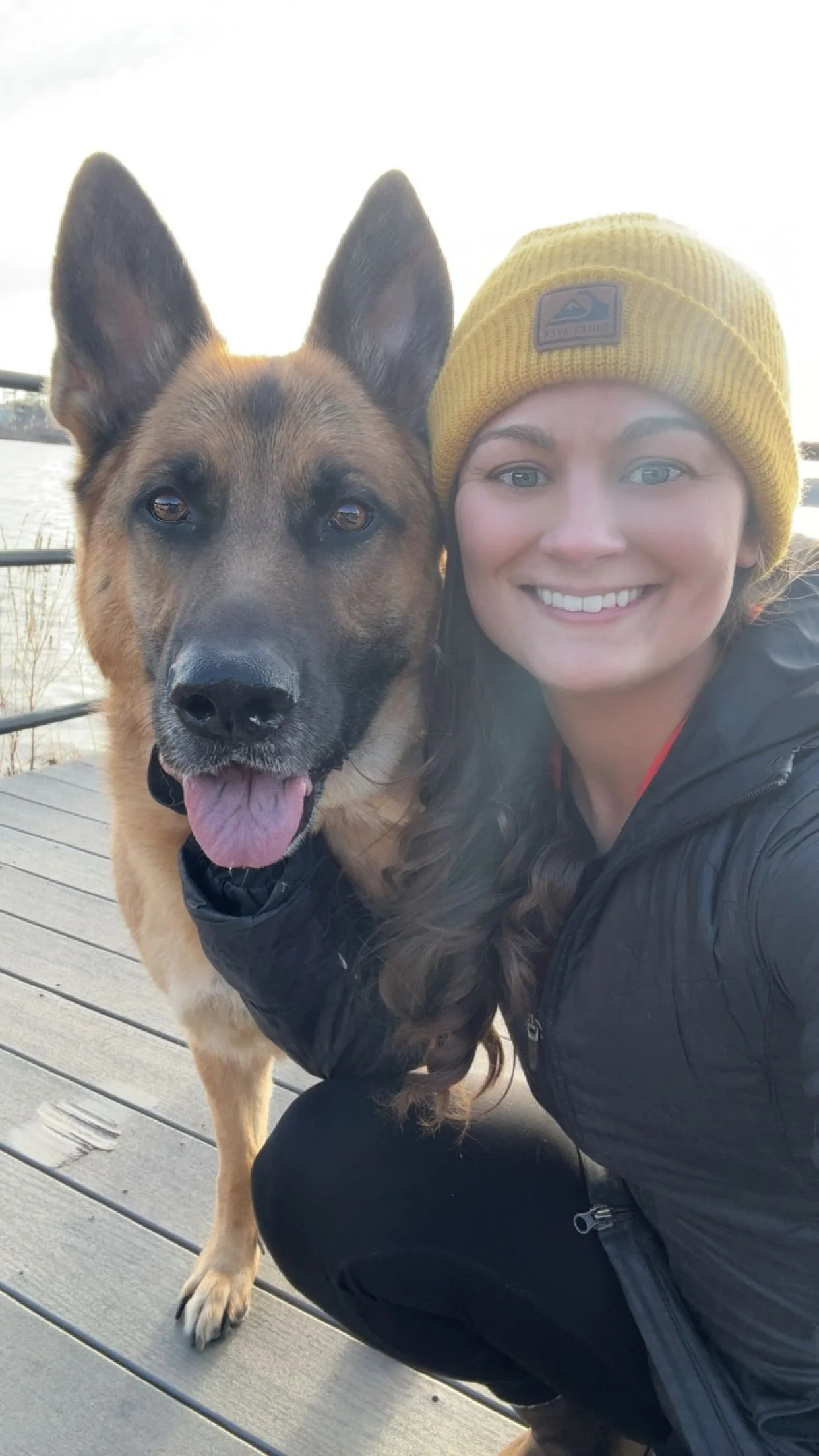
Meet Your Therapist: Kymberly Kremnitzer LMSW
I'm an attachment trauma and grief certified therapist working with adults across Michigan, online.
I work with adults whose childhood asked them to be more self-sufficient, more attuned, and more responsible than any child should have to be.
I work with the anxiety that lives in your body, the patterns that keep repeating in your relationships, and the nervous system running underneath both — because in the people I see, those three are almost always connected.
My approach is slow enough to feel safe. Specific enough to create real change. And honest enough that you won't leave feeling like you just had a nice conversation that went nowhere.
If your childhood looked fine on paper but never quite felt safe — or if the phrase "emotionally immature parents" made something shift in your chest — this work is probably for you.
What People Are Saying
What Attachment Trauma Therapy With Me Looks Like
What you won't get here:
You won't be told you're too sensitive.
You won't be told to just communicate better.
You won't be blamed for patterns shaped long before you had a choice.
What our work is:
Slow enough to feel safe.
Honest enough to create change.
Grounded enough to support your nervous system.
I blend attachment-informed therapy and nervous system awareness with deep respect for how your survival patterns once protected you.
Healing from emotionally immature family dynamics, narcissistic relationships, and emotional neglect takes steadiness. Safety. And someone who understands the weight of chronic self-abandonment, hyper-responsibility, and never feeling fully seen.
Rooted isn't about being calm. It's about being so grounded in who you are that other people's chaos stops having the same pull.
How Online Therapy Works in Michigan
Step 1: Book A Free Consult
We meet online to explore what feels stuck and what you want to shift.
Step 2: Begin Rooted Work
We map how emotionally immature family dynamics shaped your attachment, survival patterns, and relationships.
Step 3: Feel Steady Change
You begin trusting yourself, holding boundaries, and feeling at home in who you are.
Simple. Grounded. Rooted.